Higher education is being redefined. Alongside academic rigor and employability outcomes, universities are increasingly accountable for student wellbeing, emotional resilience, and long-term life satisfaction. This shift has led to the rapid rise of the science of happiness course—a research-driven academic offering designed to cultivate human flourishing through evidence-based learning.
Far from being a soft or peripheral subject, happiness education is now grounded in rigorous happiness research, integrated into curricula, and evaluated with the same seriousness as traditional disciplines.
Universities worldwide are responding to clear signals: students today face heightened levels of stress, anxiety, disengagement, and burnout. Academic excellence alone does not equip graduates to navigate uncertainty, complexity, and emotional demands in modern life.
Research across psychology and neuroscience confirms a critical insight:
This has prompted institutions to embed emotional wellbeing education directly into formal learning frameworks, rather than treating it as extracurricular support or crisis intervention.
What Is the Science of Happiness?
The science of happiness is an interdisciplinary field that examines wellbeing through empirical study rather than subjective belief. It draws on:
Rather than focusing on temporary pleasure, the field explores sustainable wellbeing—how purpose, meaning, habits, relationships, and mindset contribute to long-term emotional well being.
A science of happiness course translates this research into structured academic content, enabling students to understand and apply scientifically validated principles of wellbeing.
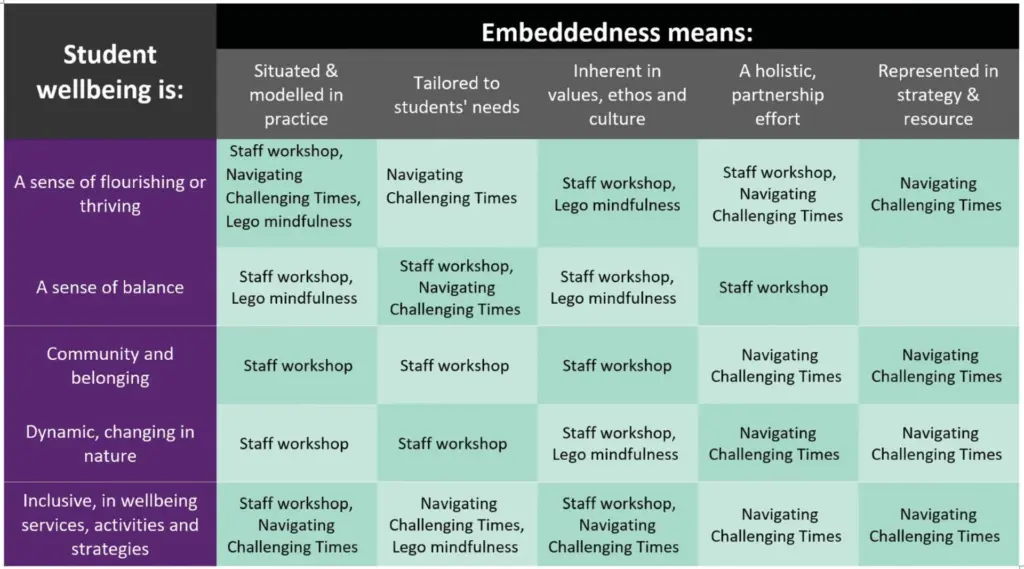
Modern happiness education is embedded within academic systems, often as credit-bearing courses, interdisciplinary modules, or institution-wide happiness programs. These courses emphasize both conceptual understanding and practical application.
Positive Psychology Foundations
Students study evidence-based models of wellbeing that emphasize strengths, engagement, purpose, and contribution. These frameworks often underpin a positive psychology certificate or formal academic credential.
Mindfulness for Students
Universities increasingly incorporate mindfulness training as a cognitive and emotional skill. Grounded in neuroscience, mindfulness for students improves attention, emotional regulation, and stress resilience—key factors in academic performance and mental health.
Gratitude Practice
Structured gratitude practice is a central component of happiness education. Longitudinal studies show that gratitude improves emotional stability, optimism, and interpersonal relationships. Students learn to apply gratitude systematically rather than casually.
Emotional Wellbeing Education
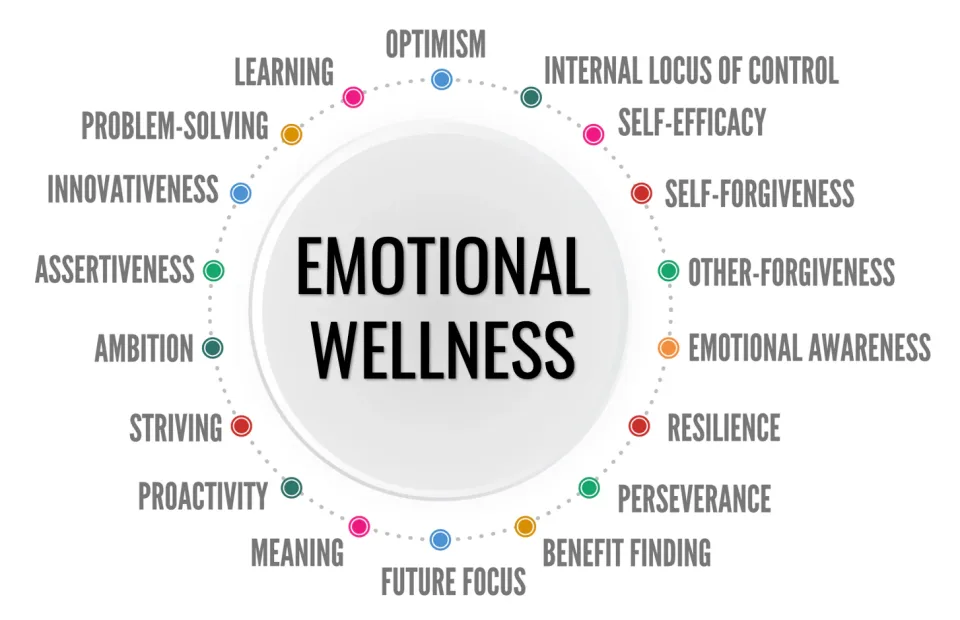
Courses address emotional intelligence, self-awareness, resilience, and self-compassion—capabilities essential for leadership, collaboration, and ethical decision-making in professional environments.
Human Flourishing Frameworks
Beyond individual wellbeing, students examine broader questions of meaning, values, and societal contribution. Human flourishing is framed as the alignment of personal success with collective wellbeing.
The Role of Happiness Research in Academic Credibility
What differentiates contemporary happiness education from motivational or self-help content is its reliance on rigorous research and evaluation.
Universities partner with research centers and academic institutions to ensure that happiness programs are:
Ongoing happiness research evaluates outcomes such as student engagement, academic persistence, emotional resilience, and long-term wellbeing, reinforcing the academic legitimacy of these courses.
Impact on Students
Students who engage in structured happiness education demonstrate:
Impact on Universities
Institutions benefit through:
Impact on Society
Graduates equipped with wellbeing skills contribute to:
Evidence suggests they are not. As mental health challenges intensify globally, emotional wellbeing education is becoming a core responsibility of higher education institutions rather than an optional enhancement.
Universities that integrate happiness research, mindfulness training, and human flourishing into their curricula are not lowering academic standards—they are expanding them to reflect the full spectrum of human capability.
The emergence of the science of happiness course represents a structural evolution in education. By grounding wellbeing in research, pedagogy, and institutional frameworks, universities are redefining what it means to educate for the future.
In the 21st century, education that ignores wellbeing is incomplete.
Education that cultivates human flourishing prepares students not only for careers, but for meaningful, resilient, and purposeful lives.
The science of happiness is a research-based field that studies how psychological, emotional, and social factors influence wellbeing and life satisfaction. It draws on positive psychology, neuroscience, and behavioral science to understand how habits, mindset, relationships, and meaning contribute to long-term happiness.
A science of happiness course is an academic program that teaches evidence-based principles of wellbeing and human flourishing. It focuses on emotional regulation, purpose, resilience, mindfulness, and gratitude, using scientific research rather than motivational or self-help approaches.
Yes. Science of happiness courses are grounded in peer-reviewed happiness research and validated psychological models. Universities rely on empirical data, longitudinal studies, and measurable wellbeing outcomes to design and evaluate these courses.
Research shows that happiness-related skills such as emotional regulation, optimism, gratitude, and resilience can be learned and strengthened through structured education. This is why universities now include happiness and emotional wellbeing education within formal curricula.
Yes. Many universities across the world offer science of happiness courses as credit-bearing electives, interdisciplinary modules, or components of well-being and leadership programs. Some institutions also offer these courses as part of a positive psychology certificate.

Rekhi Foundation, founded in 2016, promotes Happiness Science via university centers, collaborating globally across six countries.
Table of Contents
6/79, S/F, Gurudwara Road, Karol Bagh, New Delhi – 110005, INDIA
2051, Last Chance Court, Gold River, CA 95670, USA