In recent years, search interest in terms like “PERMA model explained,” “positive psychology framework,” “science of happiness model,” and “how to thrive in daily life” has grown steadily across India, the USA, and Europe. As more individuals, educators, and organizations look for evidence-based well-being strategies, one model consistently stands out — the PERMA Model.
Developed by Martin Seligman, a leading figure in Positive Psychology, the PERMA model offers a structured, research-backed approach to long-term flourishing. Unlike traditional psychology, which often focuses on reducing anxiety, stress, or depression, positive psychology shifts the conversation toward building strengths, resilience, and sustainable happiness.
This article provides a detailed, SEO-optimized deep dive into the PERMA model, how it works, why it matters today, and how you can apply it in everyday life.
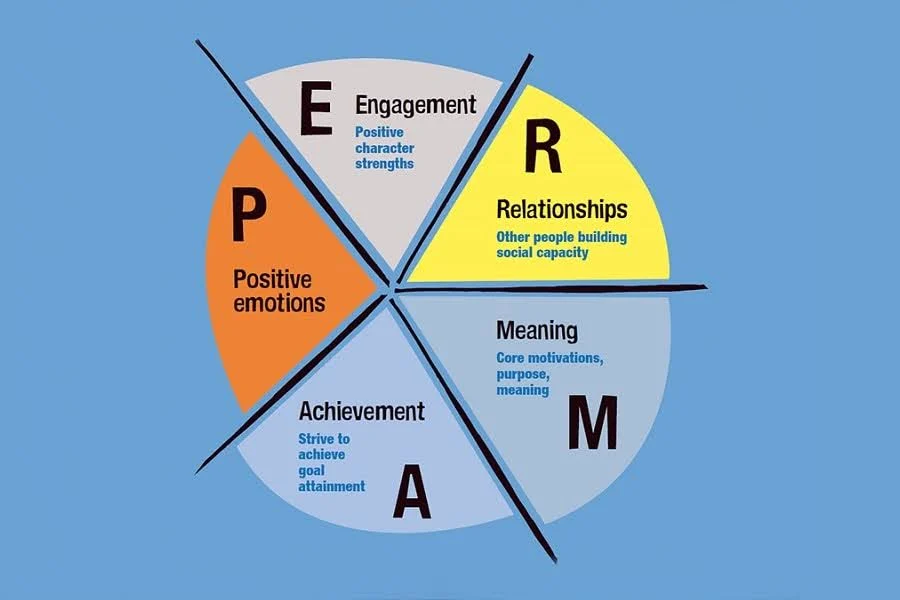
The PERMA model was introduced in Seligman’s groundbreaking book, Flourish, as a multidimensional theory of well-being. Rather than defining happiness as a fleeting emotion, the model identifies five measurable pillars that contribute to human flourishing:
Each element contributes independently to well-being, meaning you can strengthen one area even if others need improvement. This makes PERMA both practical and scalable — from individuals and families to schools, universities, and corporate environments.
Research across psychology and neuroscience confirms a critical insight:
Search queries such as “science of happiness,” “evidence-based well-being model,” and “positive psychology applications in education” reflect a growing demand for structured, research-backed solutions to emotional well-being.
There are three major reasons why PERMA is gaining renewed attention:
First, people are moving beyond crisis-based mental health conversations. Instead of only asking how to reduce stress or anxiety, they are asking how to build resilience, optimism, and purpose.
Second, educational institutions are integrating positive education frameworks into curricula. Schools increasingly recognize that academic performance improves when students develop emotional intelligence and well-being skills.
Third, corporate well-being programs are evolving. Organizations are investing in employee engagement, workplace happiness, and psychological safety — all areas aligned with PERMA principles.

Positive emotions form the emotional bedrock of flourishing. These include gratitude, hope, joy, serenity, inspiration, and love. Research in positive psychology demonstrates that cultivating positive emotions expands cognitive flexibility and strengthens resilience.
According to the broaden-and-build theory, positive emotional experiences widen our perspective and help us build lasting psychological resources. Over time, this leads to greater optimism, improved coping skills, and stronger relationships.
Importantly, the PERMA model does not suggest eliminating negative emotions. Instead, it emphasizes increasing the frequency and depth of positive emotional experiences to create emotional balance.
In daily life, this might involve practicing gratitude, celebrating small wins, or consciously savoring meaningful moments.

Engagement refers to full absorption in activities that align with your strengths and interests. Often described as “flow,” this state occurs when you lose track of time and become completely immersed in what you are doing.
Search trends such as “how to find flow state” and “how to improve focus naturally” reflect the modern challenge of distraction. The PERMA model addresses this by encouraging intentional engagement in meaningful activities.
Whether through creative work, research, sports, volunteering, or learning, engagement strengthens intrinsic motivation and enhances life satisfaction. It transforms routine activities into deeply fulfilling experiences.

Strong relationships consistently rank among the most powerful predictors of long-term happiness and health. Humans are inherently social beings, and meaningful connection fosters emotional safety and belonging.
Search queries around “how to build meaningful relationships” and “emotional intelligence in relationships” continue to rise, reflecting a global desire for deeper connection.
Healthy relationships buffer stress, increase resilience, and contribute significantly to overall well-being. Investing in authentic conversations, empathy, and community engagement remains essential for flourishing.

Meaning involves belonging to and contributing to something larger than oneself. It may arise through service, cultural identity, spirituality, mentorship, or social impact.
While pleasure provides temporary happiness, meaning offers enduring fulfillment. Individuals with a strong sense of purpose often demonstrate greater resilience during adversity and higher life satisfaction overall.
In educational, corporate, and nonprofit settings, purpose-driven initiatives create deeper engagement and sustained motivation.

Accomplishment refers to pursuing goals, mastering skills, and achieving progress. It reinforces confidence and strengthens self-efficacy.
Searches such as “how to build self-confidence,” “goal setting psychology,” and “how to achieve personal growth” align closely with this pillar.
Accomplishment does not necessarily mean external validation. It may involve personal milestones, discipline, or incremental progress. Small consistent achievements often build stronger well-being than sporadic major successes.
The rising interest in evidence-based happiness frameworks reflects a broader shift toward preventive mental health and emotional education. The PERMA model is trending because it offers:
As institutions increasingly focus on emotional intelligence, resilience training, and well-being education, PERMA provides a credible foundation.
The PERMA model is a scientific framework of five elements—Positive Emotions, Engagement, Relationships, Meaning, and Accomplishment—that together build long-term flourishing and well-being.
Yes. The PERMA model is grounded in decades of empirical research in positive psychology. Numerous studies show that strengthening these pillars improves resilience, optimism, and life satisfaction.
Happiness often refers to temporary positive feelings. PERMA focuses on sustained flourishing across emotional, relational, purposeful, and achievement-based dimensions of life.
You can apply PERMA by cultivating gratitude, engaging deeply in meaningful activities, strengthening relationships, clarifying your purpose, and setting achievable goals.
While it does not replace therapy or clinical treatment, PERMA-based practices support preventive mental health by building emotional resilience and well-being.

Rekhi Foundation, founded in 2016, promotes Happiness Science via university centers, collaborating globally across six countries.
Table of Contents
6/79, S/F, Gurudwara Road, Karol Bagh, New Delhi – 110005, INDIA
2051, Last Chance Court, Gold River, CA 95670, USA